
Analyze the growth and development of familiar animals, including birds, fish, insects, reptiles, amphibians, and mammals, during their life cycles.
CP, SI
| (a) |
Pose questions about the growth and development of familiar animals. |
| (b) |
Use a variety of resources (e.g., Elder, naturalist, zookeeper, park warden, pet store, books, pictures, and videos) to find information about the life cycles of living things. |
| (c) |
Identify the names of the offspring (e.g., cub, pup, calf, kitten, chick, fawn, fingerling, maggot, tadpole, gosling, and infant) of familiar animals. |
| (d) |
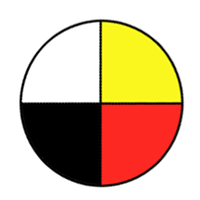
Recognize the cyclic nature of Mother Earth expressed by the Medicine Wheel, including life cycles and seasonal behaviours of animals. |
| (e) |
Compare the length and stages of life cycles of familiar animals. |
| (f) |
Describe the characteristics common to each stage (e.g., birth, youth, adulthood, and old age) of the life cycle of familiar animals (e.g., dog, cat, beaver, frog, fish, bird, ant, wasp, and chicken). |
| (g) |
Analyze which traits (e.g., body size, head size to body ratio, and number of limbs) remain relatively constant and which change in specific animals as they grow and develop. |
| (h) |
Create a physical, visual, or dramatic representation of the growth and development of familiar animals during their life cycles. |
| (i) |
Predict how big a specific animal will grow based on observed patterns of animal growth and changes. |
| (j) |
Design an animal suited for life in a particular environment (real or imaginary) and represent its growth and changes throughout its life cycle. |





Night after night the young girl and her grandfather visit the tree to see if an owl is living in the nest box. One night they see a white face in the nest box. During their observations, the owl leaves the nest box and searches for food. Its mate also arrives at the nest box to feed its young.
Throughout the book are notes that provide additional information on the barn owl. At the back of the book is a note on the nest box. The resource also includes an index.


- Earth Science. Become an Expert. Day and Night During Chinese New Year
- Earth Science. Become an Expert. Day and Night at the Festival of Colors
- Earth Science. Become an Expert. Day and Night on Cinco de Mayo
- Earth Science. Explore on Your Own. Stories in the Stars
- Earth Science. Explore on Your Own. The Sun Shines
- Earth Science. Explore on Your Own. What Do You See in the Moon?
- Earth Science. Sun, Moon, and Stars. Assessment Handbook
- Earth Science. Sun, Moon, and Stars. Big Ideas Big Book
- Earth Science. Sun, Moon, and Stars. Big Ideas Student Book
- Earth Science. Sun, Moon, and Stars. Big Ideas and Vocabulary Cards
- Earth Science. Sun, Moon, and Stars. Classroom Set
- Earth Science. Sun, Moon, and Stars. Learning Masters
- Earth Science. Sun, Moon, and Stars. Science Inquiry Book
- Earth Science. Sun, Moon, and Stars. Science Inquiry Kit
- Earth Science. Sun, Moon, and Stars. Teacher's Edition
- Earth Science. Write about Sun, Moon, and Stars. A New Moon Rover Big Book
- Life Science. Become an Expert. A Wolf's World
- Life Science. Become an Expert. An Alligator's World
- Life Science. Become an Expert. An Elephant's World
- Life Science. Become an Expert. At Home in the Desert
- Life Science. Become an Expert. At Home in the Ocean
- Life Science. Become an Expert. At Home in the Prairie
- Life Science. Become an Expert. Life by a Bay
- Life Science. Become an Expert. Life in a Forest
- Life Science. Become an Expert. Life in a Garden
- Life Science. Become an Expert. Oak Trees and White-Tailed Deer
- Life Science. Become an Expert. Saguaro Cacti and Elf Owls
- Life Science. Become an Expert. Water Lilies and Bullfrogs
- Life Science. Explore on Your Own. A Butterfly's Favorite Plant
- Life Science. Explore on Your Own. Do Wolf Pups Need a Babysitter?
- Life Science. Explore on Your Own. Eat or Be Eaten
- Life Science. Explore on Your Own. The Baobab and the Elephant
- Life Science. Explore on Your Own. The Cactus Name Game
- Life Science. Explore on Your Own. The Giant Water Lily
- Life Science. Explore on Your Own. The Muddy Dragon
- Life Science. Explore on Your Own. Trees, Seeds, and Leaves
- Life Science. Explore on Your Own. Watch Out!
- Life Science. Explore on Your Own. What Are They Good For?
- Life Science. Explore on Your Own. Whose Babies Are These?
- Life Science. Explore on Your Own. Why Don't Crocodiles Make Good Pets?
- Life Science. Habitats. Assessment Handbook
- Life Science. Habitats. Big Ideas Big Book
- Life Science. Habitats. Big Ideas Student Book
- Life Science. Habitats. Big Ideas and Vocabulary Cards
- Life Science. Habitats. Classroom Set
- Life Science. Habitats. Science Inquiry Book
- Life Science. Habitats. Science Inquiry Kit
- Life Science. Habitats. Teacher's Edition
- Life Science. Life Cycles. Assessment Handbook
- Life Science. Life Cycles. Big Ideas Big Book
- Life Science. Life Cycles. Big Ideas Student Book
- Life Science. Life Cycles. Big Ideas and Vocabulary Cards
- Life Science. Life Cycles. Classroom Set
- Life Science. Life Cycles. Learning Masters
- Life Science. Life Cycles. Science Inquiry Book
- Life Science. Life Cycles. Science Inquiry Kit
- Life Science. Life Cycles. Teacher's Edition
- Life Science. Living Things. Assessment Handbook
- Life Science. Living Things. Big Ideas Big Book
- Life Science. Living Things. Big Ideas Student Book
- Life Science. Living Things. Big Ideas and Vocabulary Cards
- Life Science. Living Things. Classroom Set
- Life Science. Living Things. Learning Masters
- Life Science. Living Things. Science Inquiry Book
- Life Science. Living Things. Science Inquiry Kit
- Life Science. Living Things. Teacher's Edition
- Life Science. Plants and Animals. Assessment Handbook
- Life Science. Plants and Animals. Big Ideas Big Book
- Life Science. Plants and Animals. Big Ideas Student Book
- Life Science. Plants and Animals. Big Ideas and Vocabulary Cards
- Life Science. Plants and Animals. Classroom Set
- Life Science. Plants and Animals. Learning Masters
- Life Science. Plants and Animals. Science Inquiry Book
- Life Science. Plants and Animals. Science Inquiry Kit
- Life Science. Write About Habitats. A Coyote in the City Big Book
- Life Science. Write About Life Cycles. We Need More Trees! Big Book
- Life Science. Write About Living Things. Wild Animals in the City Big Book
- Life Science. Write About Plants and Animals. Plants We Eat Big Book
- Physical Science. Become an Expert. At the Market
- Physical Science. Become an Expert. In the Art Class
- Physical Science. Become an Expert. In the Kitchen
- Physical Science. Become an Expert. Tractors on the Farm Push and Pull
- Physical Science. Become an Expert. Trains Push and Pull
- Physical Science. Explore on Your Own. All Aboard!
- Physical Science. Explore on Your Own. Build It!
- Physical Science. Explore on Your Own. Cookie Time
- Physical Science. Explore on Your Own. Decorating a Vase
- Physical Science. Explore on Your Own. Fun Food
- Physical Science. Explore on Your Own. On the Farm
- Physical Science. Properties. Assessment Handbook
- Physical Science. Properties. Big Ideas Big Book
- Physical Science. Properties. Big Ideas Student Book
- Physical Science. Properties. Big Ideas and Vocabulary Cards
- Physical Science. Properties. Classroom Set
- Physical Science. Properties. Learning Masters
- Physical Science. Properties. Science Inquiry Book
- Physical Science. Properties. Science Inquiry Kit
- Physical Science. Properties. Teacher's Edition
- Physical Science. Pushes and Pulls. Assessment Handbook
- Physical Science. Pushes and Pulls. Big Ideas Big Book
- Physical Science. Pushes and Pulls. Big Ideas Student Book
- Physical Science. Pushes and Pulls. Big Ideas and Vocabulary Cards
- Physical Science. Pushes and Pulls. Classroom Set
- Physical Science. Pushes and Pulls. Learning Masters
- Physical Science. Pushes and Pulls. Science Inquiry Book
- Physical Science. Pushes and Pulls. Science Inquiry Kit
- Physical Science. Pushes and Pulls. Teacher's Edition
- Physical Science. Write About Properties. Making Juice Pops Big Book
- Physical Science. Write About Pushes and Pulls. Pushes and Pulls at Home Big Book





At the end of the book are additional facts on the polar bear, beluga whales, length of day and Churchill, Manitoba. An index is included.


The author describes Ookpik's journey south. He sees things for the first time, such as trees. Natural surroundings are changing as Ookpik travels from the barren Arctic to the taiga and finally arrives at his destination in the Adirondack Mountains.
The author has included additional information on the snowy owl in the back of the book.

Teachers may consider inviting an Elder or traditional knowledge keeper into the classroom to tell the narratives.

- Pan-Canadian Science Place 2. Air and Water
- Pan-Canadian Science Place 2. Air and Water. Teacher's Guide
- Pan-Canadian Science Place 2. Animals Grow
- Pan-Canadian Science Place 2. Animals Grow. Teacher's Guide
- Pan-Canadian Science Place 2. Matter, Matter Everywhere
- Pan-Canadian Science Place 2. Matter, Matter Everywhere. Teacher's Guide
- Pan-Canadian Science Place 2. Move It!
- Pan-Canadian Science Place 2. Move It! Teacher's Guide


Included with the original paperback book is a CD with an English and Michif narration of the text.

- A Day on the Ice. Additional Fiction Little Book Pack
- Air and Water. Additional Non-Fiction Little Book Pack
- Get Moving. Additional Non-Fiction Little Book Pack
- Growing Up. Additional Non-Fiction Little Book Pack
- Liquids and Solids. Additional Non-Fiction Little Book Pack
- Lost and Hound. Additional Fiction Little Book Pack
- Pearson Science 2. Saskatchewan Edition. Teacher's Resource
- The Perfect Pet. Additional Fiction Little Book Pack
- Too Much Water! Additional Fiction Little Book Pack

A program for the video is available.

At the back of the book is a brief description of the various animals that occupy the burrow throughout the seasons.

As the calves grow, they are taken to a feedlot. At the feedlot, cattle continue to eat a healthy diet. Once they reach 600 kg, they are processed into beef. The beef production process is described: inspection of meat, different cuts of beef and the nutrients beef has for human development.
The book includes a table of contents, a glossary and a section of interesting facts about cattle.

At the back of the book is additional information on the Canada goose, migrating and resident geese and a suggestion for a budding scientist.

- Animals Hibernating: How Animals Survive Extreme Conditions
- Animals and Their Mates: How Animals Attract, Fight for and Protect Each Other


Additional information at the back of the text includes an Arctic ice report and a listing of organizations that are working to help the environment.


- Looking Closely Across the Desert
- Looking Closely Along the Shore
- Looking Closely Inside the Garden

